
NTE · Polyphenol technology platform · Since 1920
Single source.
Endless solutions.
Natural polyphenol chemistry that performs across leather, animal nutrition, water treatment and adhesives. Grower-owned, renewable and traceable from plantation to port for over a century.
1920
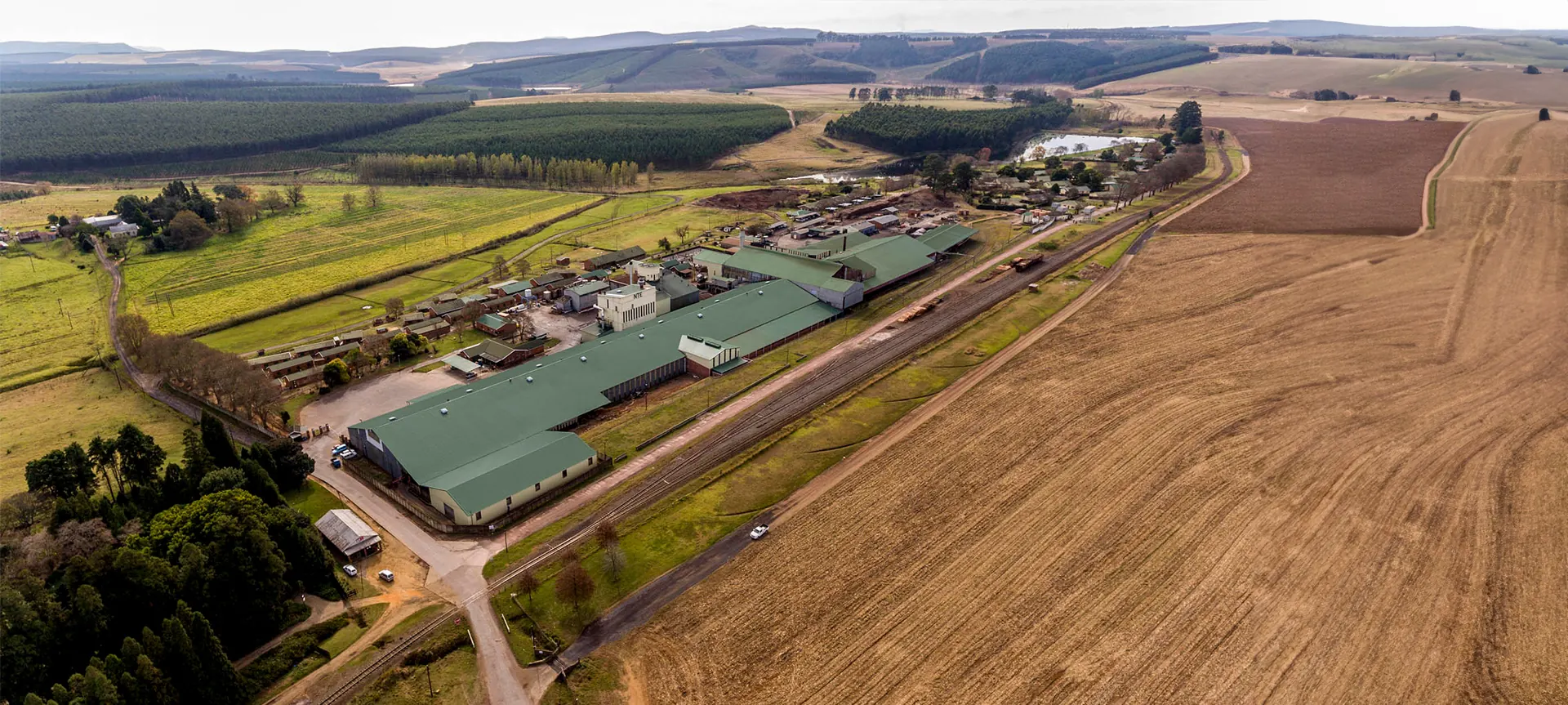
Founded in Pietermaritzburg
700+
Grower-shareholders
68,000 ha
Wattle plantations under management
50+
Countries supplied
Chain of custody
One tree, one company, one unbroken record.
Plantation
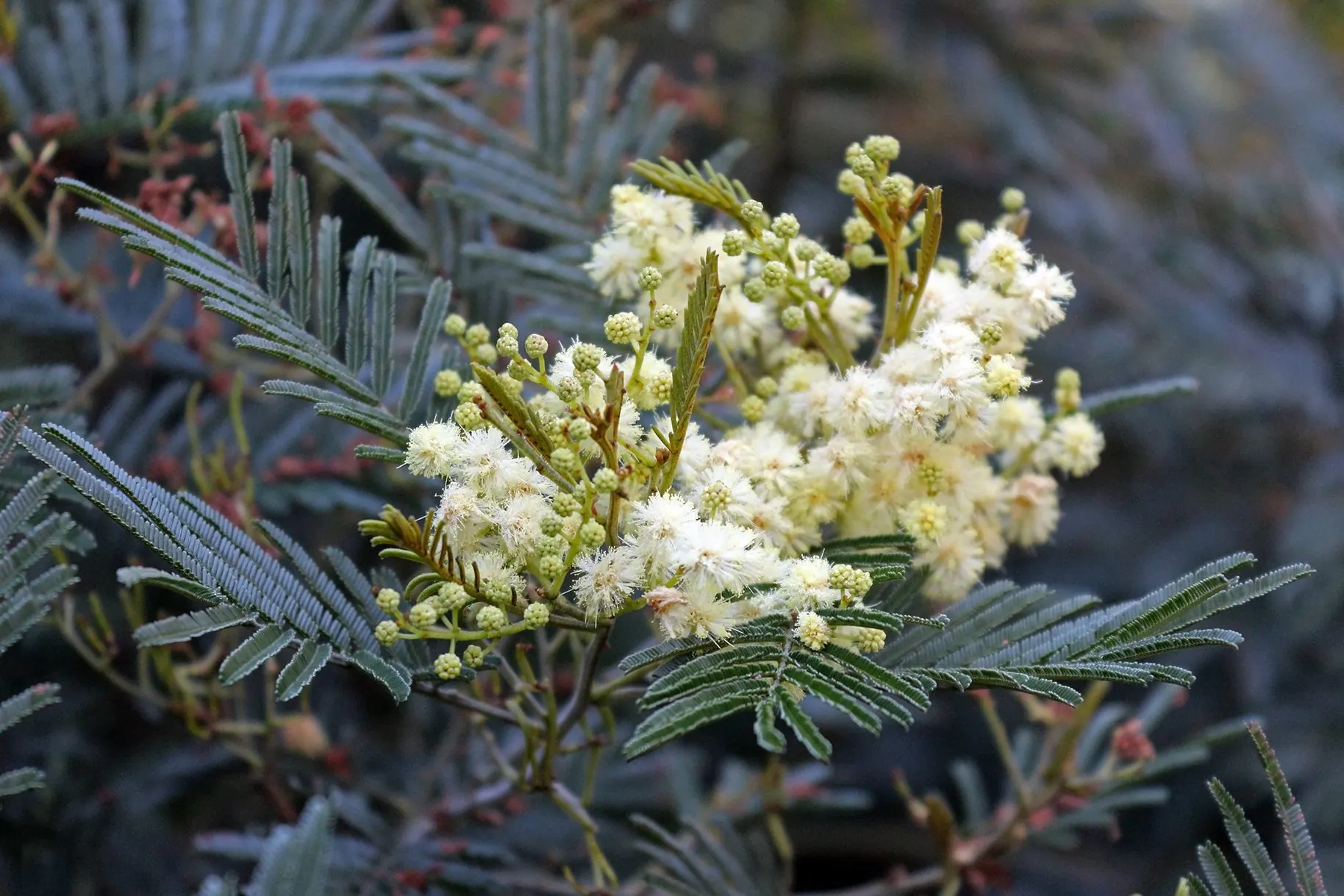
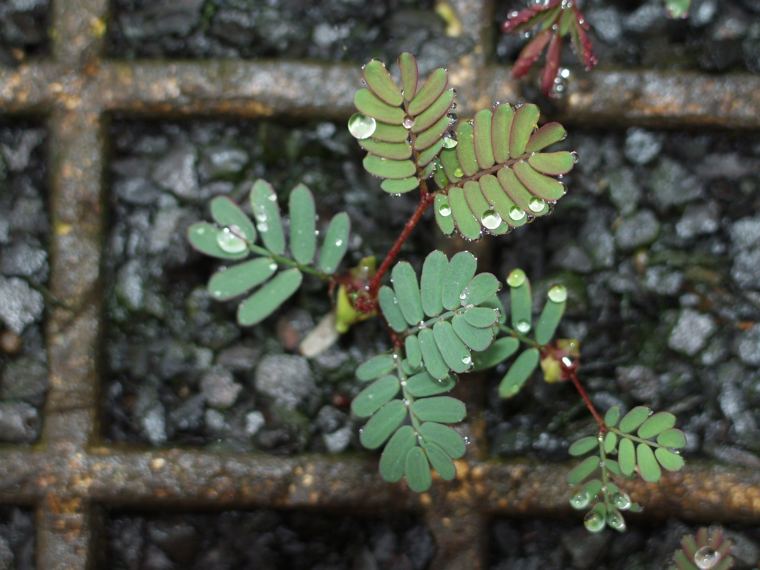
- Acacia mearnsii
- 8-year cycle
- Geolocated compartments
- Managed commercial plantations
Bark
- 700+ shareholder farms
- Community grower schemes
- Nitrogen-fixing rotation
- 1t bark : 5t utilised timber
Extract
- Two plants, batch-coded
- Solid and powder form
- In-house R&D laboratory
Port
- Durban to 50+ countries
- Full documentation pack
- Deforestation-free origin
- ISO 9001 Quality Management System (Pietermaritzburg)
- Technical support to door
Why NTE
The industry has consolidated, relocated and restructured around us for a century. We are still here, in the same hills, owned by the growers who supply us. That is not nostalgia. It is supply security.
Not a raw material supplier. An application-led intelligence partner.
One source. Every application.
Wattle polyphenols are among industry's most versatile natural polymers. We lead with the problem solved, not the extract shipped.


Due diligence support
Deforestation-free by design.
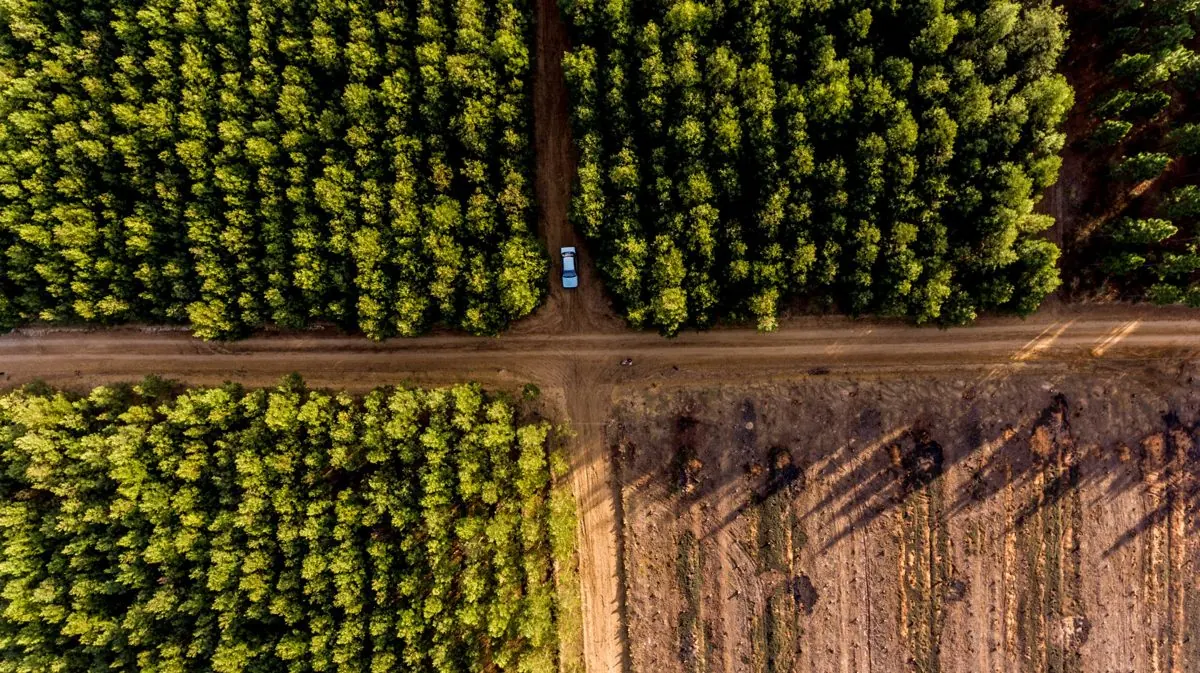
NTE wattle is grown in managed commercial plantations, in a region where wattle has been farmed since the 1880s, by growers who own the company. When your compliance team asks where your tannin comes from, we can answer to the compartment.
- Geolocation data for supplying compartments, to support your due diligence statements
- PEFC Chain of Custody, source verification on incoming bark, ISO 9001 Quality Management System (Pietermaritzburg)
- Documentation packs and technical support for importers and downstream users
Example compartment record
REF: KZN-MID-0417
GEO: 29°21'S 30°15'E
PLANTED: 2019 · CYCLE 12
OWNERSHIP AND LEGALITY STATUS: VERIFIED ✓
Verified as part of NTE's PEFC Chain of Custody due diligence
Stewardship
A business built on an 8-year cycle thinks in centuries.
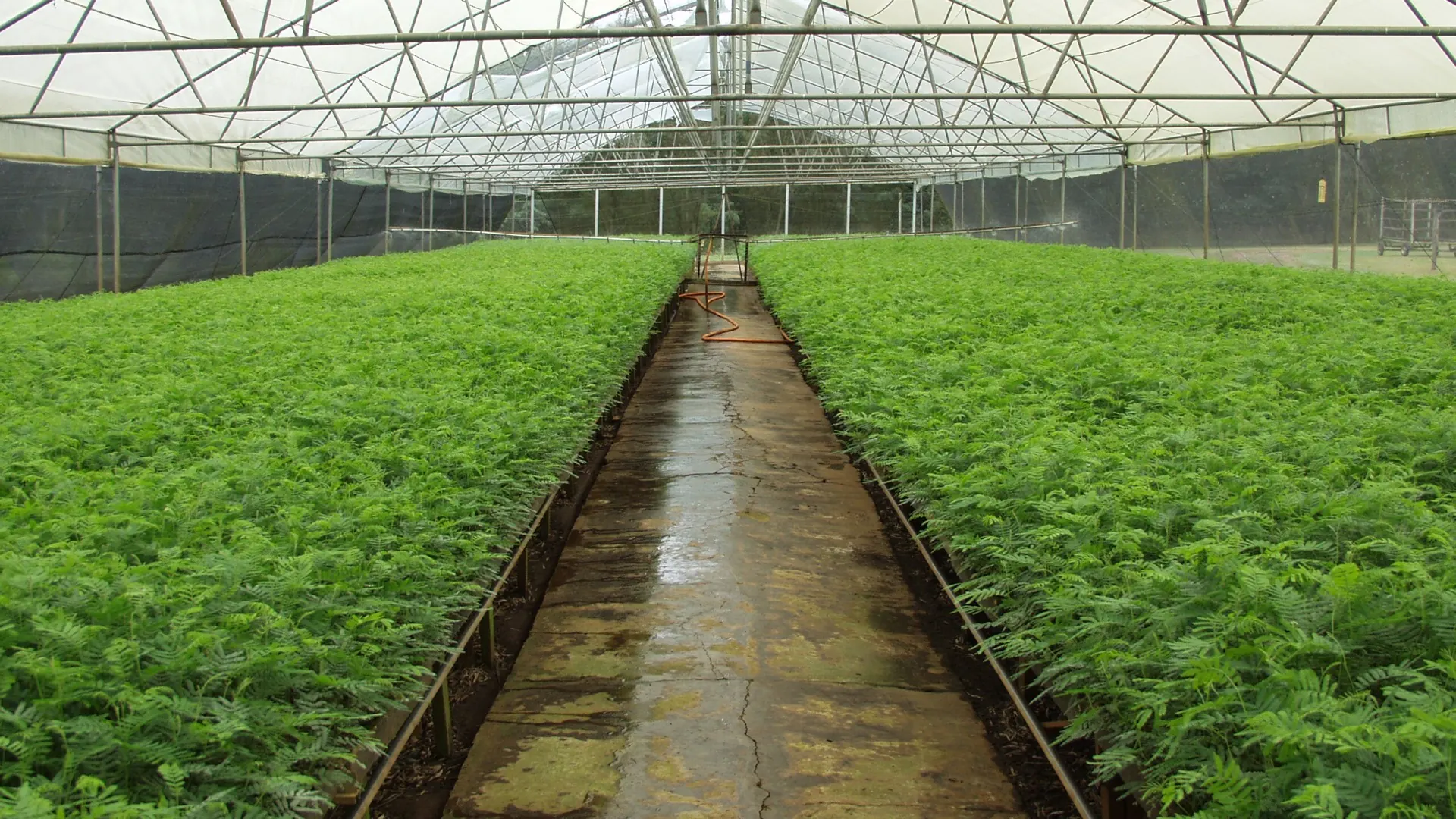
Wattle fixes nitrogen in the soil, regrows on the same land, and serves as a green firebreak in fire-prone areas. Our growers practise contour planting and catchment care across the KwaZulu-Natal Midlands, northern KwaZulu-Natal, Mpumalanga and Eswatini, and NTE actively supports the conservation of the endangered wattled crane, Africa's largest crane, dependent on the high-altitude wetlands and grasslands of KwaZulu-Natal, through local conservation bodies, wetland protection and community programmes.


ISO 9001 Quality Management System certification applies to NTE's Pietermaritzburg operations.
- Renewable raw material
- Grower-owned
The knowledge hub
A century of polyphenol chemistry, market intelligence and regulatory insight, written for the people who buy, specify and formulate.
Put a century of wattle expertise on your side.
Technical bulletins, market notes and regulatory updates, straight from Pietermaritzburg.

Since 1920
A century of quiet leadership
From the first wattle bark shipped to England in the 1880s, through two world wars, to becoming grower-owned in 1997: NTE's history is the history of the wattle industry itself.
Read the full story